By RetreatCenterFinder | For Retreat Hosts & Facilitators
Not all retreat centers are built the same — and not all retreat hosts need the same thing. A silent meditation teacher and a corporate wellness consultant may both search for “retreat center for groups,” but they need entirely different venues.
Choosing the wrong style of center doesn’t just affect the aesthetics of your retreat. It affects participant experience, your ability to deliver your program, and ultimately your reputation as a host.
This guide breaks down the 10 most common retreat center styles, what makes each one distinct, and which type of host is most likely to thrive there.
1. Yoga and Wellness Retreat Center
What it is: Purpose-built for movement and mindfulness programming. These centers typically feature dedicated yoga shalas or studios with sprung floors, natural light, and acoustics designed for practice. Meals are usually vegetarian or plant-based, and the overall environment supports a slowed-down, intentional pace.
Facilities you’ll typically find: Yoga studio(s), meditation room, vegetarian kitchen, massage or treatment rooms, outdoor practice areas, nature access.
Best suited for: Yoga teachers leading immersive retreats or teacher training intensives; Meditation and mindfulness facilitators; Ayurveda and holistic wellness practitioners; Sound healers and breathwork facilitators.
Watch out for: These centers are often booked far in advance. If your dates are fixed, start your search 9–12 months out.
2. Eco-Lodge or Nature Retreat Center
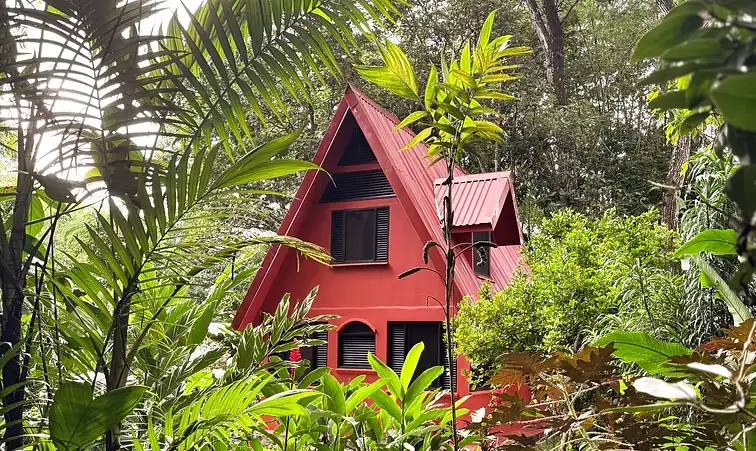
What it is: Centered on connection to the natural environment. Eco-lodges prioritize sustainability, minimal environmental impact, and immersion in natural surroundings — forests, mountains, coastlines, or desert landscapes. Accommodations range from rustic cabins to beautifully designed eco-architecture.
Facilities you’ll typically find: Cabins or bungalows, outdoor fire circles, nature trails, communal open-air spaces, farm-to-table or local food sourcing.
Best suited for: Wilderness therapy and nature-based facilitators; Permaculture and regenerative living educators; Trauma-informed somatic practitioners who use nature as part of healing; Plant medicine and ceremony hosts (where legal); Hosts whose program theme centers on reconnection, simplicity, or sustainability.
Watch out for: Infrastructure in eco-lodges can be variable. Confirm Wi-Fi reliability, hot water consistency, and wet-season accessibility before booking.
3. Luxury Wellness Resort
What it is: High-end venues that combine spa amenities, fine dining, and professional wellness programming. These properties cater to participants who want transformation and comfort. Think infinity pools, gourmet plant-based menus, and beautifully appointed rooms.
Facilities you’ll typically find: Spa and treatment rooms, high-end dining, concierge services, premium accommodations, fitness centers, curated wellness programming.
Best suited for: Executive coaches and high-performance coaches targeting corporate or entrepreneurial audiences; Hosts charging premium prices ($3,000+/participant); Luxury travel designers who combine wellness with destination experiences; Life coaches and therapists with a high-end clientele.
Watch out for: Luxury resorts often have less flexibility for customization — their brand and service standards come first. Confirm how much control you have over menus, schedules, and outside vendors.
4. Spiritual or Monastery-Style Retreat Center
What it is: Rooted in a contemplative tradition — Buddhist, Christian, Hindu, or interfaith. These centers often carry decades of spiritual history and are designed to support deep inner work. The environment tends to be quiet, austere, and conducive to silence and introspection.
Best suited for: Vipassana and silent retreat teachers; Spiritual directors and chaplains; Retreat leaders facilitating grief, death and dying, or existential inquiry programs; Hosts whose participants are seeking genuine spiritual retreat (not just relaxation).
Watch out for: Many monastery-style centers have restrictions around mixed-gender housing, dietary options, or outside programming that doesn’t align with their tradition. Clarify alignment before booking.
5. Conference and Retreat Center (Hybrid)
What it is: Designed to serve both corporate meetings and personal development retreats. These venues offer professional AV setups, breakout rooms, and business-grade infrastructure alongside accommodation and meals.
Best suited for: Corporate wellness consultants designing company off-sites; Leadership development coaches; Business and entrepreneur retreat hosts; Organizations running multi-day training programs or certifications.
Watch out for: The ambience can feel institutional compared to purpose-built wellness centers. These venues tend to lack the warmth and “retreat feeling” that smaller, more intentional centers offer.
6. Farm or Ranch Retreat Center
What it is: Working or former agricultural properties converted into retreat spaces. Farm-style centers offer wide open land, authentic rural character, and often a sense of rootedness and simplicity that participants find deeply grounding.
Best suited for: Agri-therapy and nature connection facilitators; Hosts running food, nutrition, or embodiment-based retreats; Family constellation or somatic healing practitioners; Hosts whose brand emphasizes grounding, earthiness, and simplicity.
Watch out for: Farm centers often have limited accommodation capacity. They work best for smaller, intimate groups (8–20 participants).
7. Beach or Coastal Retreat Center
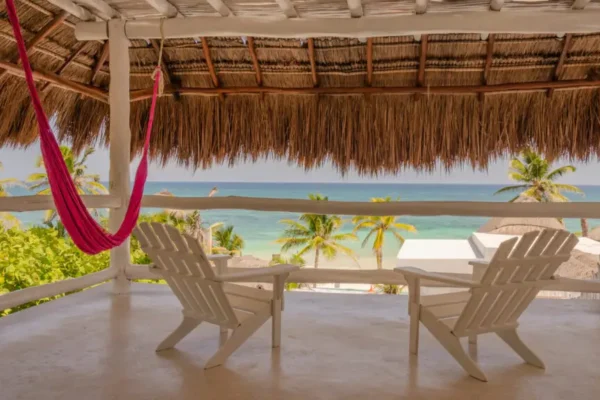
What it is: Oceanfront or near-ocean venues where the sea itself is part of the program. Whether it’s a surf retreat in Costa Rica or a yoga and sailing program in Greece, coastal centers add a powerful energetic and sensory dimension to the retreat experience.
Best suited for: Yoga and surf retreat hosts; Breathwork facilitators; Hosts running women’s empowerment or freedom-themed retreats; Travel-based retreat designers offering destination experiences.
Watch out for: Coastal centers often have high demand and seasonal pricing spikes. Research the best season before choosing your dates and location.
8. Mountain or High-Altitude Retreat Center
What it is: Venues located in mountain ranges or high-altitude environments. These centers offer dramatic natural beauty, clean air, and a sense of elevation — both literal and metaphorical — that many retreat formats draw on intentionally.
Best suited for: Vision quest and rites-of-passage facilitators; Adventure and resilience-based coaches; Meditation and contemplative retreat leaders; Hosts whose program uses metaphors of ascent, perspective, or challenge.
Watch out for: High altitude affects some participants physically (headaches, fatigue, breathlessness). Inform participants in advance and build acclimatization time into your schedule if needed.
9. Urban Retreat Center
What it is: Located within or near a city, urban retreat centers serve hosts whose participants can’t or won’t travel far. These spaces are designed to create a retreat atmosphere within an accessible location — often in converted buildings, community spaces, or dedicated wellness studios.
Best suited for: Hosts running day retreats or weekend immersives; Facilitators whose audience is city-based and time-constrained; Coaches and therapists testing a retreat format before committing to a full destination retreat; Hosts serving communities with limited travel budgets.
Watch out for: Urban centers rarely provide the full immersion of a destination retreat. They work best for shorter formats.
10. Private Villa or Estate Rental
What it is: Private properties — villas, country houses, historic estates — rented exclusively for a group. The host effectively designs the entire experience from scratch.
Best suited for: Experienced hosts who want complete creative and operational control; Hosts offering high-end, boutique retreats (12–20 participants maximum); Facilitators with a personal chef, assistant, or team to manage logistics; Hosts whose brand depends on a highly curated, exclusive aesthetic.
Watch out for: Private villas require the most operational work. You’re responsible for catering, setup, safety, and every detail of the experience. This model works beautifully for experienced hosts — and can be overwhelming for first-timers.
Which Retreat Center Style Is Right for You?
| Your Program | Best Center Style |
|---|---|
| Yoga or meditation immersive | Yoga & Wellness Center |
| Nature-based or somatic healing | Eco-Lodge or Farm Center |
| Corporate off-site or leadership | Conference & Retreat Center |
| Premium / high-ticket audience | Luxury Wellness Resort |
| Silent or spiritual retreat | Monastery-Style Center |
| Surf, beach, or freedom theme | Coastal Center |
| Adventure or vision quest | Mountain Center |
| Day retreat or urban audience | Urban Retreat Center |
| Boutique, high-control experience | Private Villa or Estate |
| Grounding, food, or embodiment | Farm or Ranch Center |
Frequently Asked Questions
What is the most common type of retreat center? Yoga and wellness retreat centers are the most widely available style globally, especially in North America, Europe, and Southeast Asia.
Can I host multiple types of retreats at the same venue? Yes — many retreat centers are designed to accommodate different program formats. The key is confirming that the space, kitchen, and accommodation can support your specific program requirements.
What type of retreat center is best for a first-time host? A yoga and wellness center or a conference and retreat center is generally the best choice. Both offer on-site staff support, established logistics, and infrastructure that reduces the operational burden on the host.
What is the difference between a retreat center and a retreat venue? A retreat center is usually a purpose-built or dedicated facility with staff and programming infrastructure. A retreat venue is a broader term that includes private properties, hotels, or event spaces that can accommodate a retreat but aren’t specifically designed for it.
How do I find a retreat center that matches my program style? Start by identifying your non-negotiables: practice space requirements, accommodation style, catering needs, group size, and budget. Then search directories that let you filter by these criteria.
Ready to find your perfect venue? Search RetreatCenterFinder and filter retreat centers by style, capacity, location, and availability.
Related Resources
Once you’ve found a style that fits your vision, make sure you know what to look for in a retreat center before signing any contract — our checklist covers the 10 essential questions every host should ask.
Browse our curated retreat centers to find venues that match your chosen style, capacity, and location.